

If you’re planning a trip to Europe this year, you’ve probably heard of the Entry Exit System (EES). As more countries use the system, passengers are noticing new checks, longer queues, and biometric scans at border control.
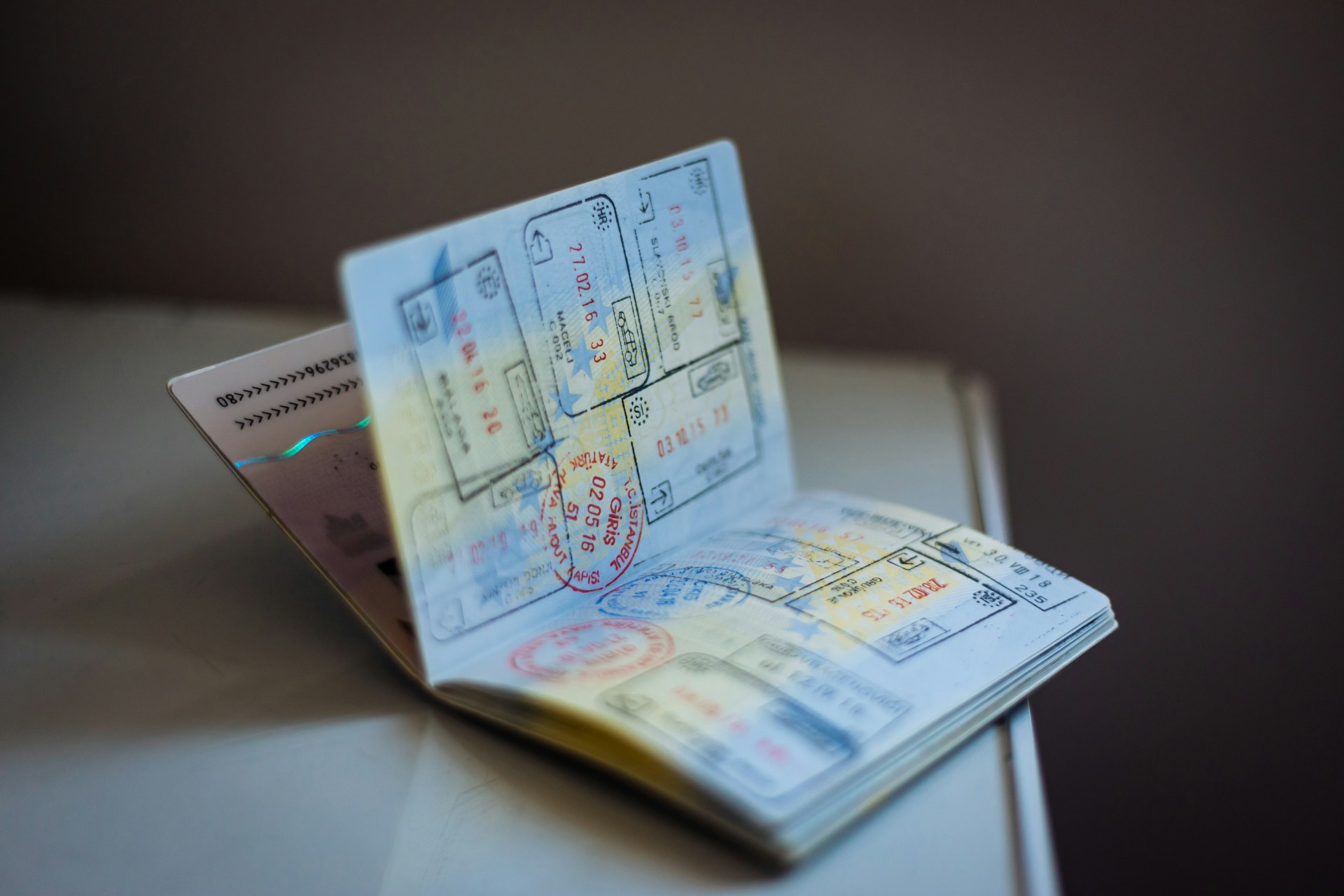
For most people, travel to Europe is still possible as normal. However, the way borders are processed is changing. Passports aren’t just stamped anymore, and first-time visitors may need to provide fingerprints and a facial scan. As more tourists pass through and times go on, the process is expected to become more straightforward.
So, for now, what does this mean for your holiday?
What Is the European Entry/Exit System (EES)?
The European Entry/Exit System (EES) is a new digital border system used by many countries in Europe. It applies to visitors from outside the EU, including UK travellers.
The EU manages the system. It aims to modernise border checks and make them more secure and consistent. Instead of officers stamping passports, the system records travel details digitally. It’s made to track overstays and reduce identity fraud.
How Does the EES Work?
When you enter or leave a participating country, the system records your details. These include:
- Entry and exit dates
- Passport information
- Biometric data, such as fingerprints and a facial image
The system uses this data to track how long you’ve stayed in the Schengen Area. The EES is shared across all participating European countries. Your travel record will be stored in one central system. This way, it can be checked at any border point within the EES zone.
For most travellers, the first trip under EES will take a little longer. This is because your biometric data has to be linked to your passport. After that, later trips should be quicker. This will speed up further as more airports and borders use automated checks.
Who Will Need to Use EES?
Travellers affected are non-EU citizens. This includes UK passport holders, US, Australian, and other visa-exempt travellers.
EU citizens, Schengen residence permit and long-stay visa holders won’t be affected in most cases.
EES Delays and Issues
The full EES rollout in April 2026 didn’t go very smoothly. The system is fully in place across most Schengen countries. However, many airports, ferry ports, and rail terminals are still experiencing some problems.
Queues and Problems at Airports
Long queues at border control are one of the biggest concerns for UK travellers. Some of the worse news reports across Europe have described:
- Wait times of up to three or four hours.
- Missed flights.
- Malfunctioning kiosks.
- Understaffing.
- Confusing instructions for passengers.
These are mostly early problems during the rollout stage. Large systems often have issues at first, while staff learn the process and airports finish installing equipment.
Most of the biggest delays happened during busy travel periods, like school holidays and weekends. Some airports weren’t fully ready when EES launched.
Since then, many countries have started making changes to improve things. More staff have been deployed, with extra border lanes and clearer signs.
For most people, the first trip will take the longest. This is because your fingerprints and facial image need to be added to the system. After that, future journeys should be much quicker.
What Happens if EES Registration Fails?
If the EES system can’t register your details, you’ll probably be directed to a manual processing desk.
Don’t panic if this happens. It’s likely down to one of the following:
- Fingerprint scan failures.
- Equipment malfunctions.
- Difficulties checking passport information.
- Queue-management issues.
In most cases:
- Border staff will manually check your documents.
- Your passport may still be stamped.
- You may be asked to try again on the return leg of your journey, or on a future trip.
Some countries, including Greece, Portugal, and Italy, have already relaxed biometric checks during periods of severe disruption.
How to Plan Around EES Delays
Travellers should currently expect:
- Longer-than-normal queues at busy times.
- Different procedures depending on the country or airport.
- Temporary suspension of biometric checks if queues become severe.
- More disruption during UK school holidays and summer weekends.
To get around this, it’s best to:
- Arrive earlier than usual.
- Keep boarding passes and travel documents to hand.
- Follow airport and operator guidance carefully.
- Allow more time for connections and security checks.
If it’s your first time going through the EES, consider pushing back any afternoon plans on the day of your arrival. This gives you a buffer in case you’re caught in one of the busier queues. Remember that EU countries passport regulations require your document to be less than ten years old, as well as having 3-6 months left depending on where you go.
What’s the Difference Between EES and ETIAS?
Many travellers confuse the EES and ETIAS. Both are new EU travel systems being introduced around the same time. However, they do very different jobs.
The EES is a border control system used when you enter or leave the Schengen Area. It records your travel details and biometric data at the border. This is now fully operational.
ETIAS is a travel authorisation system. Before travelling, visitors from visa-free countries (including the UK) will need to complete a short online application before travelling. ETIAS comes into effect in late 2026. It’s more likely to affect a Christmas trip than a summer break.
In simple terms, ETIAS happens before you travel. EES happens when you cross the border.
ETIAS and EES Differences:
| Feature | EES | ETIAS |
|---|---|---|
| Purpose | Border entry/exit recording | Travel authorisation |
| Requires application? | No | Yes |
| Includes biometrics? | Yes | No |
| Fee required? | No | Yes |
| Used at the border? | Yes | Before travel |
Is the EES Still Needed After the Eurotunnel?
Yes, you’ll still need to go through EES checks via the Eurotunnel. Even though you travel by train inside a tunnel, the border process is the same as at airports or ferry ports. The EES still records your entry into and exit from the Schengen Area, no matter which route you take.
While you’re planning ahead for your holiday, don’t forget to book your airport parking early!
Main image: Alexandre Lallemand – Unsplash