
On October 1st, Cyprus celebrates its independence on the anniversary of their split from British rule. It dates back to 1878, when in the aftermath of the Russo-Turkish War, Cyprus came under the jurisdiction of the British empire, as long as Britain would use the island as a base to protect the Ottoman Empire against a Russian attack.
Eventually, disputes between Greek Cypriots and the British led to armed conflict, and the creation of the creation of the EOKA (Ethniki Organosis Kyprion Agoniston) in 1955. The conflict lasted until January 1959, when an agreement was signed between Greece, Turkey, Britain and Cyprus. The agreement came into effect on the 1st October 1960.
Now that we have a brief overview of the history, we’ll cover how the locals celebrate the day, and why it’s a great time to visit the island.
Skip to:
When’s the Best Time to Visit Cyprus?
Tourist season in Cyprus lasts from the start of April to the end of October. By visiting during Independence Day, you’ll still enjoy the benefits of visiting in-season, and many of the attractions will still be open. But it won’t be as busy as during the summer peak and various school holidays, and you can look forward to a bit of peace in this tranquil destination.
Since Cyprus is just off the coast of the Levant, the temperatures can get quite high. An October visit would avoid the hottest time of year, with average temperatures around 26°C to 28°C.
How Does Cyprus Celebrate Independence Day?
Traditionally, Cyprus marks Independence Day on the first of October with celebrations across the island. The main event is usually a military parade in Nicosia, where members of the National Guard and other organisations take part in a procession. It’s attended both by government officials and members of the public.
Cypriot flags are often displayed on public buildings and homes. Schools and community groups like to organise events to commemorate things, although the festivities can vary from year to year. Regardless, visitors can generally expect a strong sense of national pride on the day.
Where Should I Go in Cyprus?
One of the great advantages of Cyprus is that despite its size, it offers a huge variety of attractions, scenery and activities linked together by an excellent transit system.
Wherever you stay, you can get to most other places in about a day. The vast majority of tourists begin their trip on the narrow coastal strip in the south, which hosts the main towns of Larnaca, Limassol and Paphos, each with a historic old town, promenade and popular beaches.
However if you want to see what Independence Day has to offer, head to the capital Nicosia, where you’ll get to see the annual Independence Day parade.
Top 10 Cyprus Attractions
No matter what time of year you visit, we think these attractions are definitely worth seeing.
Nicosia Old Town
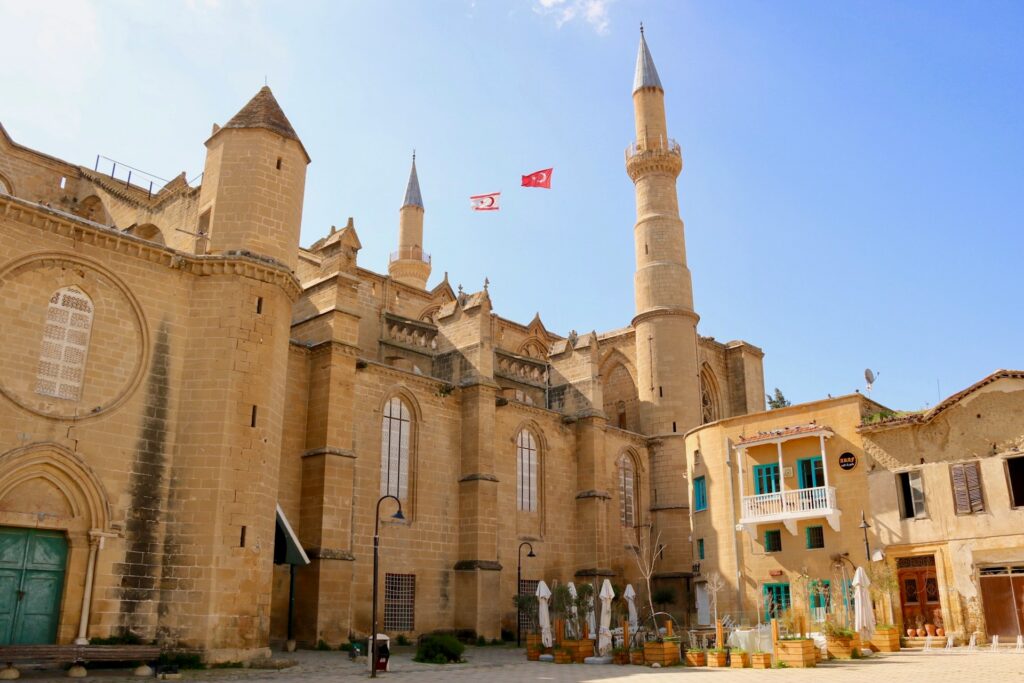
Nicosia, the capital of Cyprus, is a must-visit place during your trip. Thanks to its strategic location, the city has been shaped by many different rulers throughout its history, with a fascinating mix of architectural styles.
While the city centre hosts a stylish and modern atmosphere, the Old Town is full of charm and character with traditional streets and historic buildings.
History lovers can explore attractions such as the Leventis Museum and the Cyprus Museum, while food lovers can enjoy authentic Cypriot cuisine at restaurants across the city. If you’re visiting around Independence Day, you may even have the chance to witness the city’s impressive military parade.
Nissi Beach
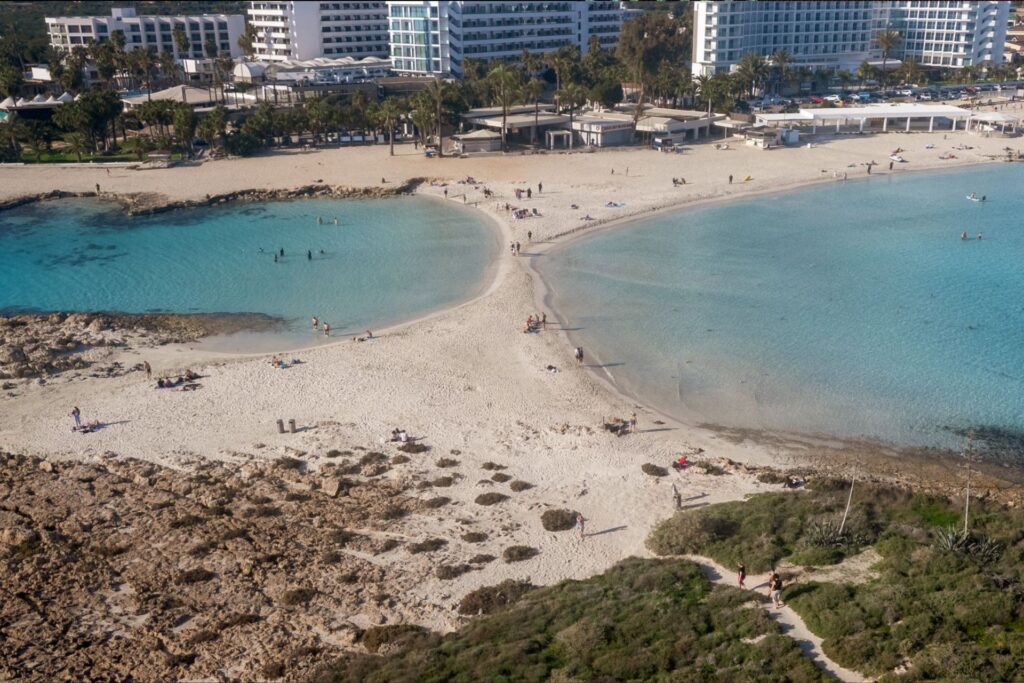
Ayia Napa’s Nissi Beach is praised for its beautiful clear water and picturesque views. It’s easy to get to, just a 30-40 minute walk from the Ayia Napa Strip, or lots of bus connections. It can get quite busy in the summer months, so if you’re planning an October visit, the beach will feel more spacious and quiet.
Just off the coast, you’ll find Nissi Island. This tiny uninhabited islet can be reached on foot through the water and makes for a fun little adventure.
Kourion
Kourion used to be a Greek city-state, and later, a thriving and affluent Roman settlement. Today it’s an enormous archaeological site accessible from Limassol and available to visit for just €4.50 per person.
The site is often praised for its massive scale, meaning you could easily spend a whole day wandering the ruins. There are countless stunning views to be found around the site, such as the amphitheatre overlooking the sea.
Ghost-Town Varosha
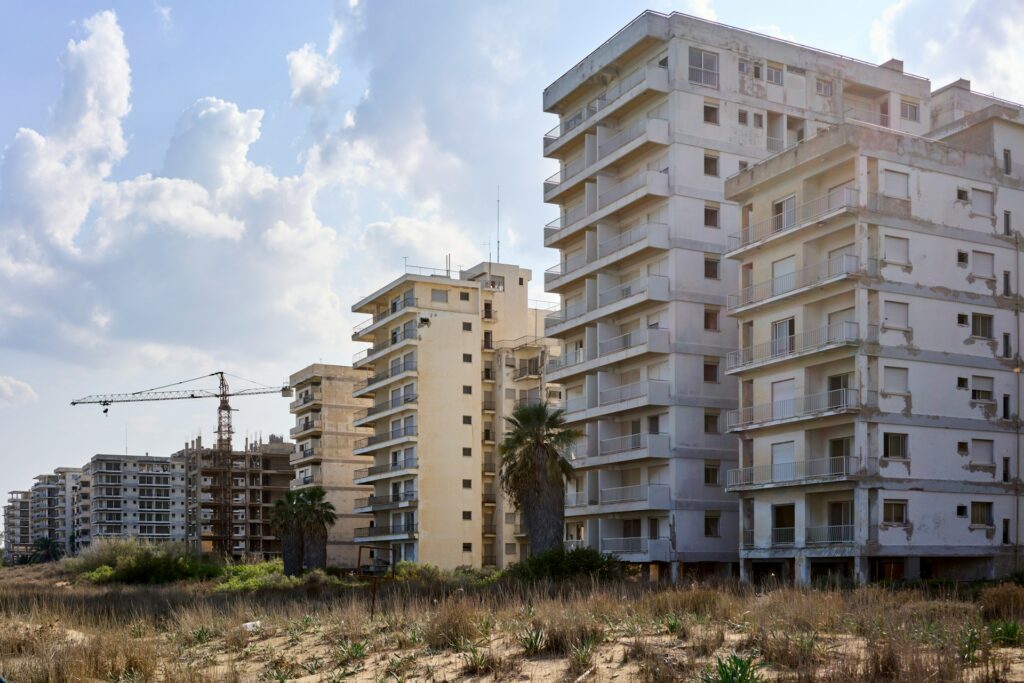
The town of Varosha was once a popular seaside resort, but in 1974, the Turkish invasion forced its inhabitants to flee, and the town has remained largely empty ever since.
While some of its areas are restricted, there are plenty of tours to show you around and teach you more about this somber history. Tours aren’t mandatory, however, and the area can be explored independently. It’s an educational and sobering experience, with a chance to walk through a town tragically frozen in time.
Kato Paphos Archaeological Park
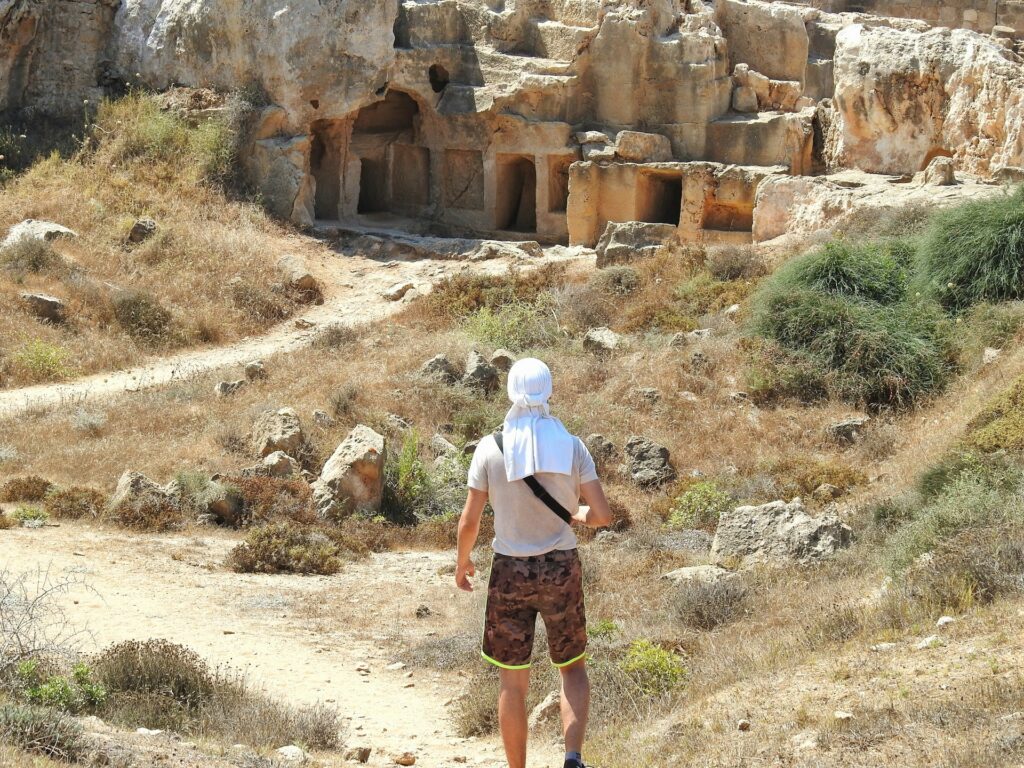
Settled as early as the prehistoric era, Kato Paphos is home to remains from several periods and cultures, ranging from Hellenic temples to elaborate Roman villas. The Tombs of the Kings can also be found here.
The ticket price is €4.50 per person, and it’s free for students and over 65s. It’s well worth a visit for its extensive collection of well-preserved mosaics, and a glimpse into how the ancient elite lived. Remember to take plenty of drinking water and sunscreen, as like many ancient sites, there’s very little shade.
Tombs of the Kings
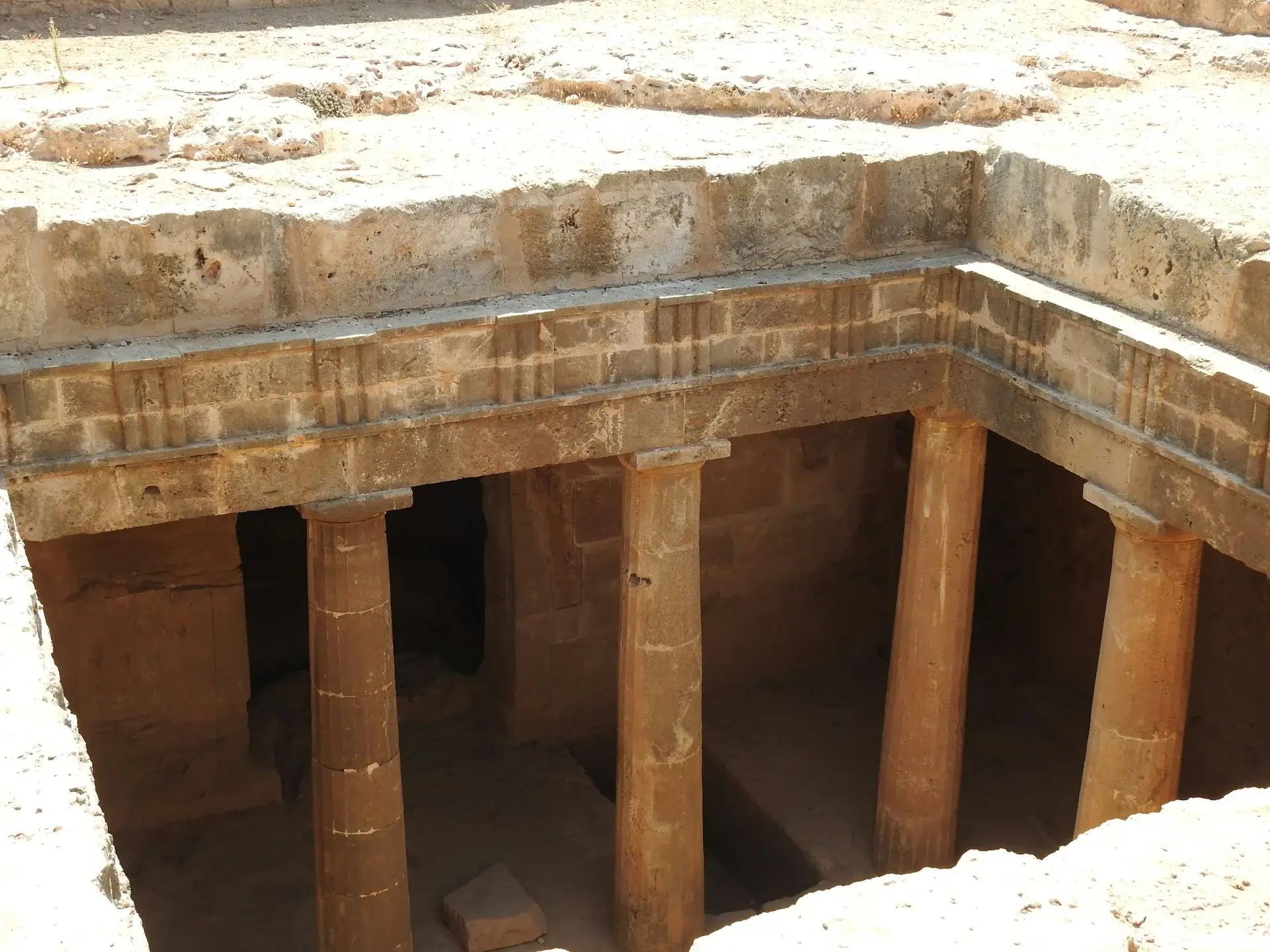
Despite the name, the Tombs of Kings was not the burial site of royalty. However, this vast necropolis was used by high-ranking officials and members of the aristocracy, with its great scale and impressive architecture inspiring the regal title.
The site boasts a series of elaborate underground tombs carved directly into the rocks. Its cultural significance has earned it UNESCO World Heritage status, cementing it as one of Cyprus’ best attractions.
Mount Olympus
Not to be confused with the mountain of myth, legend and the same name on the mainland, Cyprus’ highest point is no less exciting.
Located in the Troodos Mountains near the middle of Cyprus, Olympus is particularly exciting in the winter months due its the ski resort. Featuring beginner, intermediate and advanced-level slopes named after the Greek gods, thrillseekers of all skill levels will find something to keep them occupied. In the summer months it’s a beautiful place to hike, with sweeping views of the island to enjoy at the summit.
Fasouri Watermania Waterpark
Fasouri Watermania Waterpark is Cyprus’ biggest waterpark, packed with attractions for visitors of all ages. It spans more than 100,000 square metres, with 30 slides and rides, a huge wave pool, and plenty of places to eat and relax.
Found just outside Limassol city centre, it’s easy to get to by car or public transport. Thrill-seekers can take on high-speed rides like the Kamikaze slide, and younger visitors can enjoy plenty of gentler attractions throughout the day.
St Nicholas of the Cats
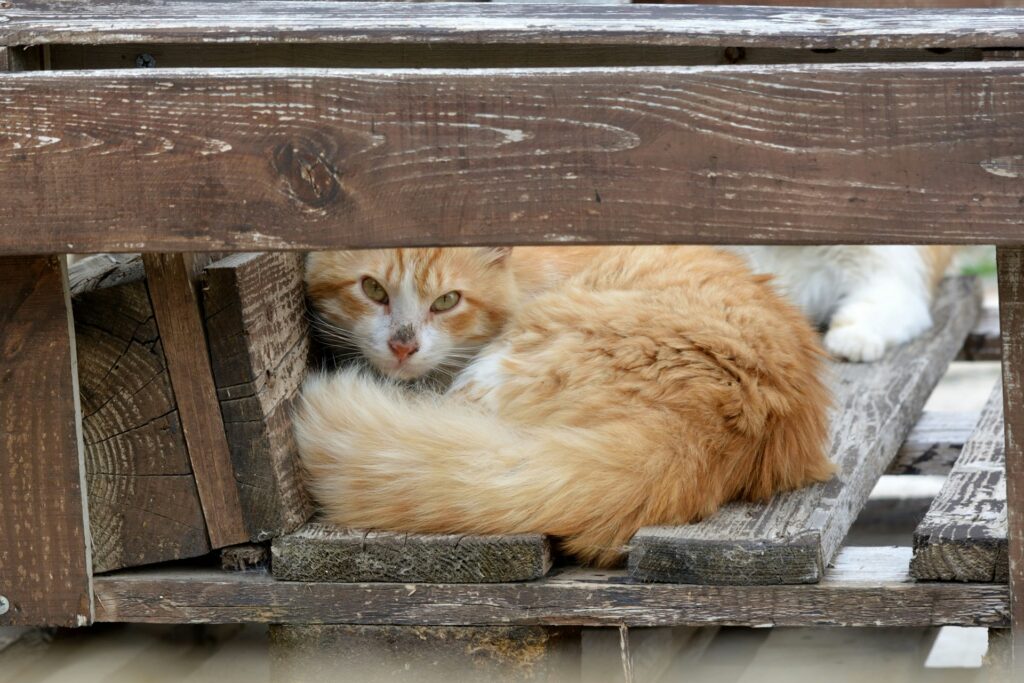
Founded in 327AD, this monastery gained its name from a historic battle with the area’s poisonous snakes.
Struggling to safely build the monastery, 1,000 cats were imported from Egypt and Palestine to eliminate the slithering population. While the building has been rebuilt several times, the huge number of cats has remained constant, so this is a paradise for feline lovers everywhere.
Fairy Tale Museum
Visiting Cyprus with children? Make sure the Fairy Tale Museum is on your itinerary.
Set within a beautiful Grade II-listed building, this enchanting place celebrates the magic of storytelling. You’ll find interactive exhibits, artwork, and a great collection of rare books. There’s a lot of things to captivate visitors of all ages, it’s a must-visit for anyone who loves fantasy and imagination.
Main image: Athina Vrikki – Unsplash